This has been demonstrated in numerous studies. You should therefore leave nothing to chance during the rearing phase. But which factors have the greatest influence on calf development, and how can these be managed?
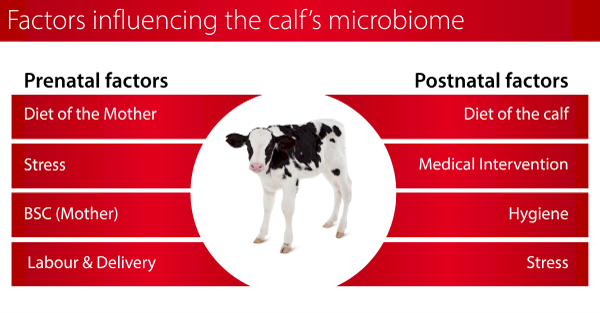
An optimal rearing phase begins even before birth. Ensuring the cow receives optimal care throughout her pregnancy – particularly in the weeks immediately prior to calving – as well as managing stress factors and maintaining hygiene during birth, not only has a direct impact on the calf’s development but also on the formation of its gut microbiome. Ensuring the mother receives optimal care, particularly during the transition phase, should therefore be a top priority.
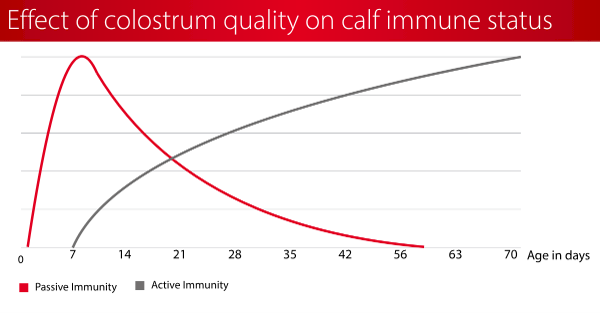
Another important factor, which is, however, often underestimated, is the supply of colostrum. Whilst the importance of colostrum for the calf’s passive immunity is widely discussed, its practical implementation is still sometimes neglected. However, poor colostrum quality or insufficient colostrum intake leads to a gap between passive and active immunity and thus to an increased risk of disease. In addition to routine testing of the quality and quantity of colostrum ingested, the transfer of immunoglobulins into the bloodstream should also be monitored regularly. These tests can quickly identify weaknesses in colostrum management.
Practical tip:
- Check the quality of every batch of colostrum collected.
- Set up a colostrum bank so that you can respond quickly to any shortfalls in quantity or quality.
- Regularly monitor the transfer of immunoglobulins into the calf’s blood.
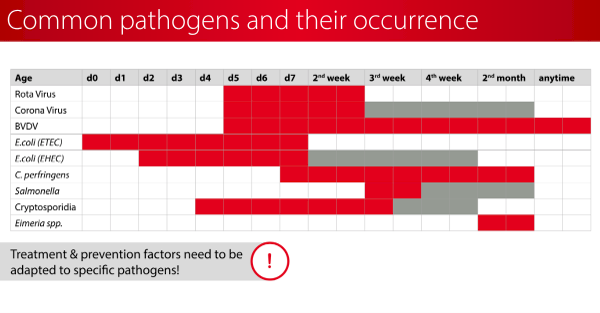
Following the initial colostrum intake, disease prevention plays a further important role in successful calf rearing. Diarrhoea, in particular, during the first 14 days of life impairs the development of newborn calves. Animals suffering from acute diarrhoea must be provided immediately with sufficient electrolytes, buffering agents and energy to prevent dehydration and its adverse consequences. It is also advisable to ensure that affected calves continue to consume milk for as long as possible to guarantee their energy and nutrient supply. Strict farm hygiene must be maintained to prevent diarrhoeal diseases. Furthermore, it is advisable to focus on building up the animals’ resilience and immunity from the outset in order to strengthen their ability to defend themselves against diarrhoea-causing pathogens.
Practical tip:
- Clean and disinfect all surfaces and contact areas in the calf area after each round of calves.
- Respond quickly to any illnesses to minimise negative effects.
- Provide preventative care for the calves, depending on the underlying problem.
Respiratory diseases are the second most common occurrence during the rearing phase. Here too, animals suffering from acute illness must be treated promptly in order to minimise the negative effects on their development and any long-term consequences. To prevent respiratory problems, care must be taken to ensure an adequate supply of fresh air, optimal humidity and low concentrations of pollutants. In addition, respiratory health can be supported through the targeted use of phytogenic components.
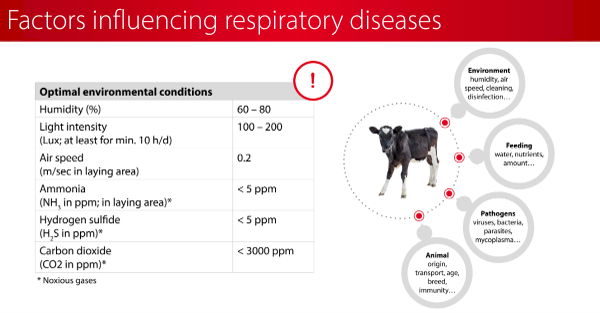
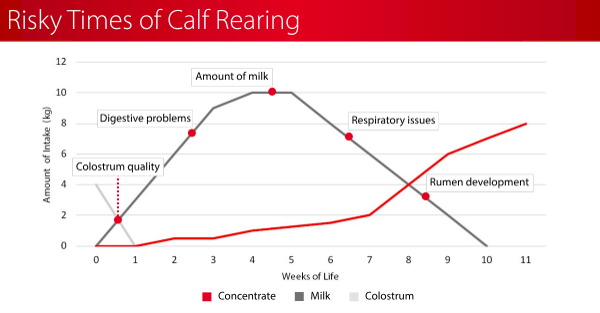
Throughout the rearing phase, as with adult animals, care must be taken to ensure an optimal supply of nutrients. It is important to bear in mind that calves have different nutritional requirements to adult ruminants. In addition to simply providing nutrients, rapid and healthy rumen development should be encouraged. In the first few weeks of life, this nutritional requirement is met through high-quality milk replacers or sufficient whole milk. Furthermore, from the very first days of life, calves must be offered a palatable and highly digestible concentrate, as well as high-quality roughage. This promotes rumen development, thereby reducing nutrient losses during weaning and thus contributing to healthy and long-lived offspring.
In summary, it must be said that successful calf rearing is no matter of chance! You should therefore make the most of the potential offered by the rearing phase! This not only optimises the welfare and health of your herd, but also helps to improve performance and, consequently, your financial success.
Are you looking for innovative and solution-oriented products to optimise your calf-rearing portfolio? Then speak to your MIAVIT contact now.