MiaBollet 4c
ExpiredDuring the rearing period, calves repeatedly have to cope with challenging situations. Management events such as weaning, regrouping, vaccination, or moving calves to new environments place considerable stress on the animal and may affect feed intake, growth, and overall vitality. Targeted support during these transitional phases helps maintain consistent development.
MiaBollet 3c
ExpiredDiarrhea is one of the most common health challenges in young calves. During episodes of diarrhea, calves can lose substantial amounts of fluids and essential electrolytes within a short period of time, placing considerable stress on metabolism and vitality. Young calves are particularly vulnerable because their body reserves are limited and they are therefore more susceptible to the effects of fluid loss. Rapid support is essential to reduce the impact on the animal.
MiaBollet 2c
ExpiredThe sensitive early phase of a calf’s life has a lasting impact on its future development. In particular, disturbances in gut function can impair nutrient utilization and create the conditions for health challenges. Early support of digestive function can therefore make an important contribution to the development of healthy and resilient calves.
MiaBollet 1c
ExpiredAs calves are born without a fully developed immune defense, they are entirely dependent on the intake of high-quality colostrum. Variations in colostrum quality or an insufficient supply can make a successful start in life more challenging and impair the calf’s ability to cope with health challenges.
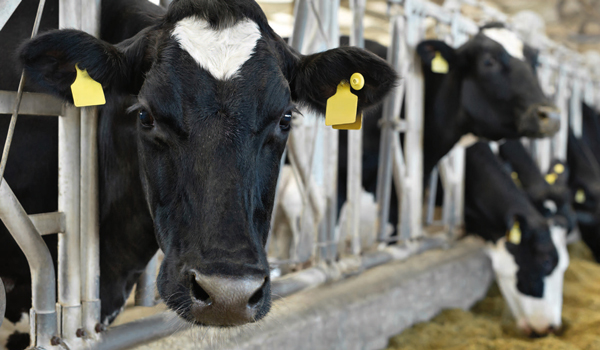
MiaCalvium
ExpiredHypocalcemia is one of the most common metabolic disorders in high-yielding herds. The incidence is mainly influenced by lactation number, management and above all feeding errors in the last third of lactation as well as during the dry period.

MiaRadOx L AP 1212
ExpiredSynergistic liquid antioxidant blend to protect feed raw materials, fats and oils from oxidative changes thereby maintain their optimal nutritional value and palatability.

MiaEmax
ExpiredFat digestion is a complex process in which the body´s own bile salts and enzymes play a vital role. In livestock farming, there are a range of factors that can impair this process.

MiaQlyte
ExpiredNewborn diarrhea is still the most common problem in the first weeks of life.

MiaRespiFit
ExpiredRespiratory diseases are the second most common in the rearing phase. Acutely ill animals must be cared for quickly to minimize negative effects on development and long-term consequences.

Miarom Intest L
ExpiredThe maintenance of gut health is crucial for performance in animal husbandry.

MiaTrace Se
ExpiredThe trace element selenium plays an essential role in the immune defense system of animals as it serves as a central building element for more than 20 enzymes which are involved in the degradation of free radicals.

MiaPower 100
ExpiredThe period after calving is always a challenge for high-performing cows. To compensate for the stress of calving and the onset of milk production, the animals have a much higher energy demand than they can cover with feed due to the lower feed intake in the first few days.
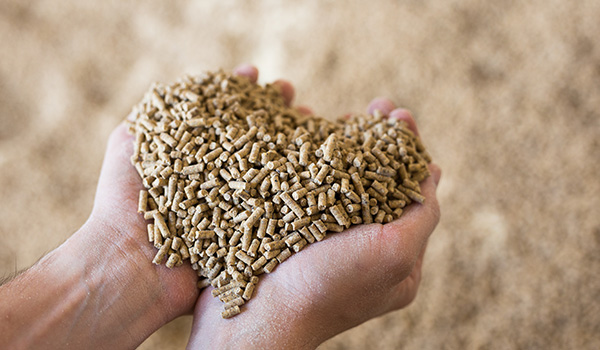
MiaRadOx P2
ExpiredProtect your raw materials, feedstuffs and vitamins from oxidative changes by avoiding their deterioration in the most effective way.

MiaRadOx L/P NAT
ExpiredBlend of natural of antioxidants specially designed to protect your raw materials, feedstuffs and vitamins from oxidative changes by avoiding their deterioration.

MiaPhenol
ExpiredHigh-performing animals are constantly exposed to various stressors. Heat stress, mycotoxin intoxications, metabolic stress and impairment of immune function are common worldwide.


MiaCowStart P
ExpiredAn optimal start to lactation is decisive for the performance and fitness of dairy cows and all ruminants.

MiaFirstAid P
ExpiredDiarrhea causes heavy losses of fluids and electrolytes and excessive dehydration can be life-threatening for young animals.

Miarom Classic P
ExpiredThe power of phytogenics and their active ingredients has been known for centuries. Inspired by nature, their benefits are nowadays also proven in animal nutrition. Among other important effects, they are able to support a healthy respiratory tract and boost animal well-being.